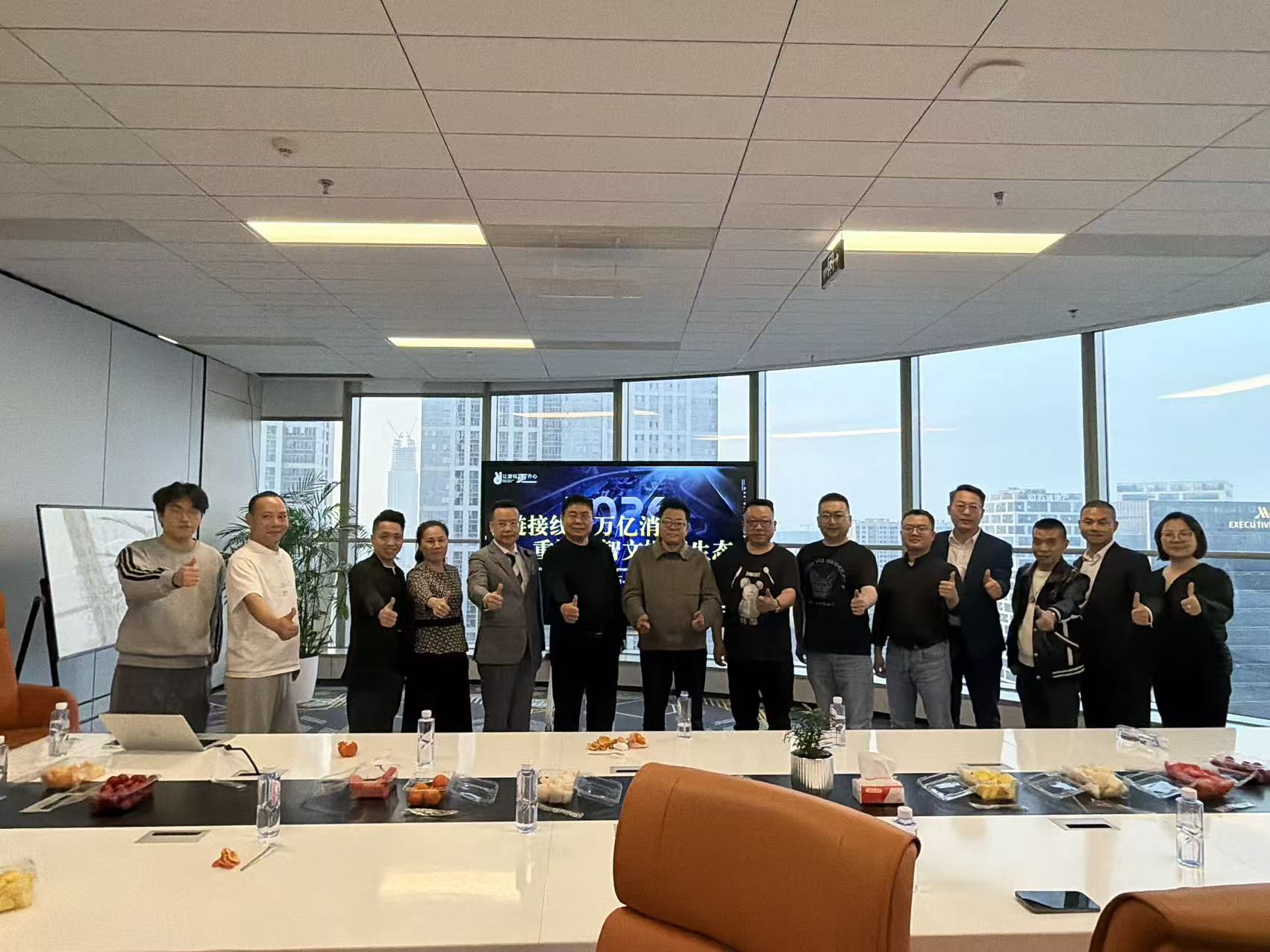
A Conversation with Professor Guo Xiangang: From Management Thought to Digital Securities
On April 11, 2026, I took a photograph with Professor Guo Xiangang and shared some thoughts on securities tokenization. Seen through the questions that guide my research, the essentials remain the same: how we understand people, how contributions inform the allocation of benefits, and how institutions support innovation.
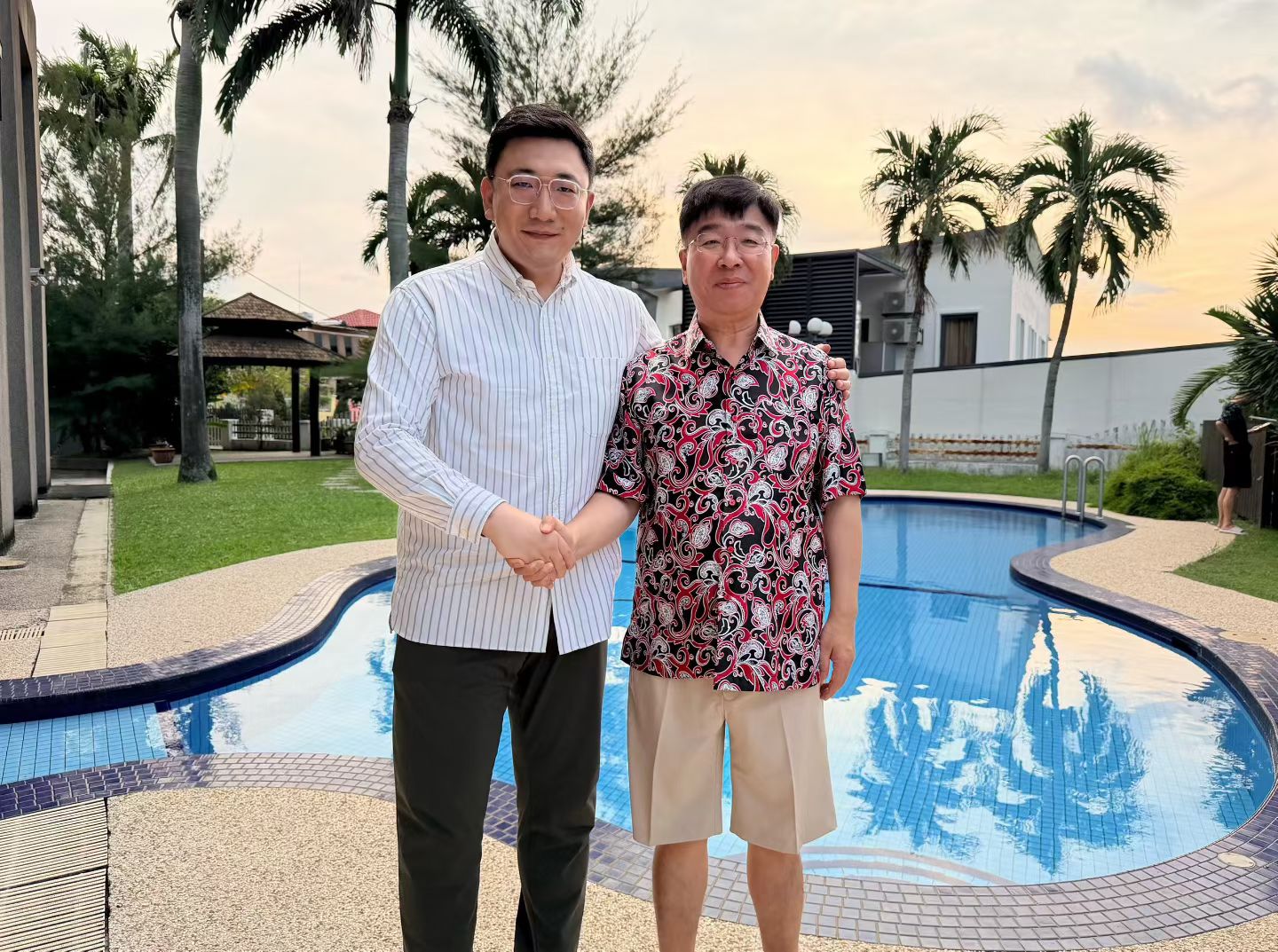
On April 11, 2026, I took a photograph with Professor Guo Xiangang. That day, I also published a social-media post about changes in traditional capital markets, security token offerings (STOs), and the compliant securities-to-token mechanism I refer to as “Gu Bi Tong.”
The photograph records an exchange. For me, what matters most is the question it connects to: as assets acquire new forms of digital representation, do we have sufficiently clear arrangements for organization, rights, and the allocation of benefits to support them?
What I wrote that day
The following is the post I published that day, translated into English. The title used and the language of the original are retained as a record of my views and aspirations at the time.
At a pivotal moment when traditional capital markets worldwide are moving from an “exchange-centered era” toward a new era of “digital asset representation + global liquidity networks,” STOs represent a core upgrade in the digital representation of securities and their access to global liquidity. With a compliant “Gu Bi Tong” mechanism at the center, the aim is to connect real securities assets with 24/7 global on-chain liquidity.
I thank Professor Guo Xiangang, Chairman of the United Nations World Development Foundation, for his strategic guidance. We will continue advancing compliant securities tokenization, working toward capital that moves beyond borders, time constraints, and barriers, and helping more listed companies engage deeply with the global digital capital ecosystem.
“Beyond borders, time constraints, and barriers” expresses a direction I want to pursue. In practice, every step requires concrete answers: what rights does an asset represent, who is eligible to participate, how is information disclosed, how do trading and settlement connect, and what rules govern disputes?
People first, then institutions and innovation
In reflecting on Professor Guo’s management thought, the thread that interests me most is “people + institutions + innovation.” It brings together questions often discussed separately: why an organization needs people, how their efforts are organized, how rules operate, and how room is made for new possibilities.
Management focused only on performance assessment risks reducing people to metrics. Management focused only on ideals risks leaving institutions on paper. In my view, organizational design should account for people’s capabilities, interests, relationships, and development. Institutions should give cooperation a foundation, make commitments deliverable, and provide ways to resolve problems.
Innovation is more than giving an old process a new technological name. Valuable innovation should improve problems that were difficult to solve before, while standing up to the demands of rules, accountability, and actual operation.
Contribution and sharing: the connection that matters to me
Among his management books, the title Contribution-Based Benefit Sharing particularly caught my attention. It brings a question into focus: when an enterprise’s results are created by many people, how should its benefit-sharing arrangements respond to their different contributions?
This connects directly with my research into stakeholder capital governance. Funding is an input; knowledge, technology, organizational capability, and sustained collaboration can also make important contributions. To sustain joint value creation, we need more than expressions of gratitude after results appear. During cooperation, we must establish how contributions are recorded, confirmed, and assessed.
Contribution does not automatically constitute capital, and capital does not automatically confer ownership. The relationships among contribution, returns, and governance require explicit conditions, rights, and confirmation procedures. Clarifying those relationships is essential to moving from an idea to a functioning institution.
From organizational rules to the digital representation of assets
When I spoke about STOs and “Gu Bi Tong,” I was concerned with the same relationship: once securities enter a digital network, can they gain more effective ways to be represented, connected, and transferred on a clear foundation of rights?
Here, “Gu Bi Tong” is my term for a mechanism connecting securities rights with digital tokens. It needs to rest on real assets and verifiable relationships between rights. Issuing a token alone does not establish that securities, entitlements to returns, or ownership have been converted or transferred.
Likewise, a network’s ability to operate around the clock does not mean every asset automatically has round-the-clock liquidity. Eligibility, trading rules, custody, settlement, and actual demand all affect whether liquidity exists and can be sustained. Technology creates new possibilities; institutions determine how those possibilities are used.
What I want to advance is a verifiable connection among assets, rights, information, and operating rules. For listed companies to connect with the digital capital ecosystem, these foundations must be in place.
Turning an aspiration into a workable structure
I am grateful to Professor Guo for his strategic guidance. This exchange was also a reminder that discussing new forms of capital still requires us to return to the fundamentals of people, institutions, and innovation. The connection worth building between management thought and digital capital lies in the problems they address, rather than in simply combining their terminology.
I will continue working through these questions: how joint value creation is recognized, how contributions are confirmed, how rights are represented, how returns are allocated, and how governance leaves records that can be reviewed.
The photograph preserves a moment; the words preserve a direction. The work ahead is to turn that direction, step by step, into a structure that can be explained, put into practice, and continually improved.